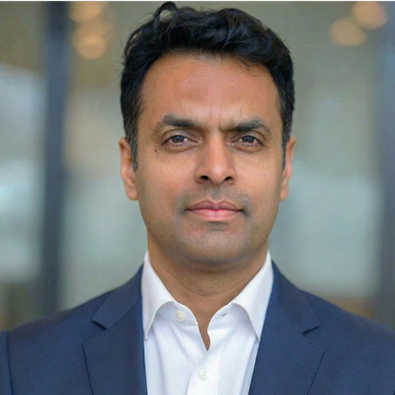
Growth Leader
Abhinav Sinha
With a background in structural engineering and digital transformation, Aditya leads Ramco's global strategy. He specializes in designing resilient frameworks for complex enterprise systems across 50+ jurisdictions.




Designed for HR, payroll, and finance leaders managing multi-country operations, compliance, integrations, and payroll transformation.
This playbook highlights the crucial AI-driven changes reshaping payroll and shows you how to get ready for them.
Learn about the key shifts influencing payroll and what they mean for your organization.
Discover where AI adds measurable value to payroll operations, employee experience, compliance, analytics, and decision-making.
Evaluate if your payroll data, systems, processes, and teams are prepared for AI.
Compare the features that matter most before investing in payroll technology.
Receive practical steps to update payroll and prepare your team for the AI era.

This guide is meant for leaders managing global payroll transformation, compliance, and vendor selection in multi-country operations:

Key Takeaways

Navigate the complexities of cross-border compliance with automated real-time updates and legal forecasting models.

Consolidate disparate regional systems into a singular architectural blueprint for global data visibility and governance.

Leverage AI-driven cost forecasting to turn payroll from a back-office function into a strategic asset for growth.
The Faculty
Bringing over 60 years of combined expertise in human capital management and technology architecture.
Growth Leader
With a background in structural engineering and digital transformation, Aditya leads Ramco's global strategy. He specializes in designing resilient frameworks for complex enterprise systems across 50+ jurisdictions.
Growth Leader
With a background in structural engineering and digital transformation, Aditya leads Ramco's global strategy. He specializes in designing resilient frameworks for complex enterprise systems across 50+ jurisdictions.