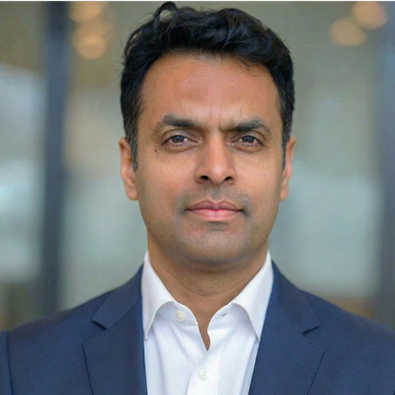
Growth Leader
Abhinav Sinha
With a background in structural engineering and digital transformation, Aditya leads Ramco's global strategy. He specializes in designing resilient frameworks for complex enterprise systems across 50+ jurisdictions.


Built for payroll, HR and finance leaders preparing for Payday Super in Australia.
From 1 July 2026, super contributions move from quarterly cycles to payday-linked processing, with funds due in employee accounts within 7 business days. The impact runs past payroll - into HR data, contractor classification, treasury funding, clearing house dependencies and audit evidence. Inside you will get:
Pay code mapping, commission and salary sacrifice treatment, STP reporting and off-cycle payments.
Fund details, MVR testing, SMSF validation and contractor SG classification.
Funding calendars by pay group, approval coverage, bank timing and cash flow modelling.
SuperStream 3.0 readiness, clearing house capacity, returned contributions and re-queue process.
Liability-to-payment matching, clearing house status, fund receipt confirmation and exception ageing.

Built for the leaders accountable for Payday Super compliance across enterprise operations:

Key Takeaways

Navigate the complexities of cross-border compliance with automated real-time updates and legal forecasting models.

Consolidate disparate regional systems into a singular architectural blueprint for global data visibility and governance.

Leverage AI-driven cost forecasting to turn payroll from a back-office function into a strategic asset for growth.
The Faculty
Bringing over 60 years of combined expertise in human capital management and technology architecture.
Growth Leader
With a background in structural engineering and digital transformation, Aditya leads Ramco's global strategy. He specializes in designing resilient frameworks for complex enterprise systems across 50+ jurisdictions.
Growth Leader
With a background in structural engineering and digital transformation, Aditya leads Ramco's global strategy. He specializes in designing resilient frameworks for complex enterprise systems across 50+ jurisdictions.