





Building a Future-Ready Workforce Across Southeast Asia
Connect with Our Experts
Southeast Asia is emerging as a critical growth engine, creating opportunities and challenges for organisations expanding across markets. This webinar brings together HR leaders from Nokia, NICE Ltd and Ramco Systems to explore how businesses can build agile, connected and future-ready workforces. Discover strategies to balance regional consistency with local requirements, navigate workforce complexities, leverage integrated technology and prepare talent for evolving roles shaped by AI and automation.
Session Highlights:
- Building agile workforce models across Southeast Asian markets.
- Balancing regional consistency with local regulations and workforce expectations.
- Leveraging integrated HR technology for visibility and smarter decisions.
- Preparing talent for AI, automation and evolving workplace demands.
Should you need further clarifications or free demo, do reach out to us at contact@ramco.com or complete the form.
Speakers
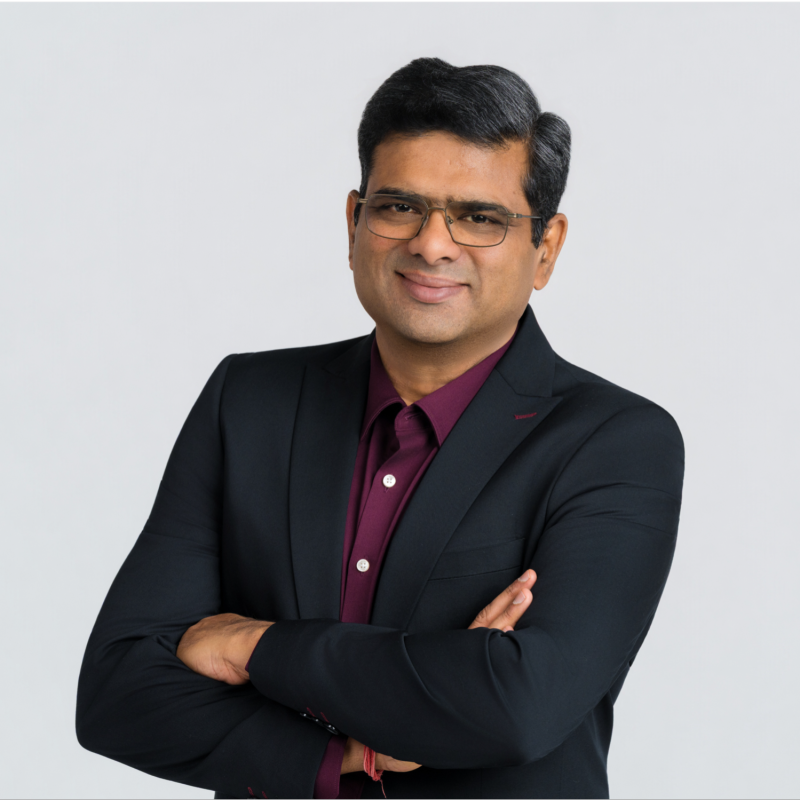
Uday Burra
Head of People Care, APJ & India, Nokia.

Shilpi Jaiswal
Director, Regional Head HR Philippines, NICE Ltd.
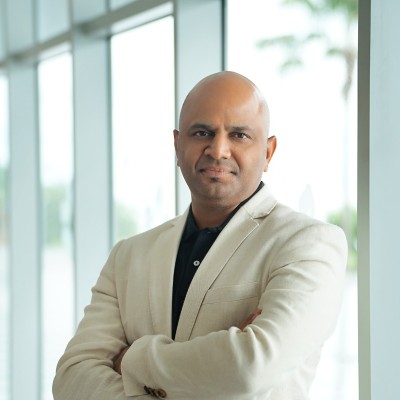
Vikas Goel
Global Business Head, HR & Payroll Business, Ramco Systems.
Moderator
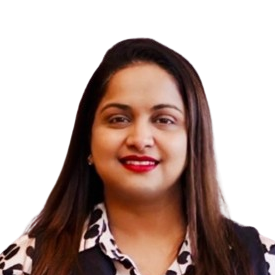
Yasmin Taj
Editor, ETHRWorld (Moderator).
FAQ
Organisations can manage a workforce across Southeast Asia by developing agile workforce models, aligning regional HR strategies and adapting to country-specific labour regulations and employee expectations. Integrated HR technology can improve workforce visibility and support smarter decisions, helping businesses manage operational complexities while maintaining consistency across different markets.
Businesses can streamline global payroll management across Southeast Asia by adopting integrated payroll technology, improving visibility across regional operations and addressing country-specific payroll and regulatory requirements. A well-connected approach helps organisations manage the complexities of operating across multiple markets while supporting greater consistency in payroll processes.
Ramco Payce Global Payroll is relevant to organisations looking to manage payroll as they expand across multiple markets. Businesses evaluating global payroll solutions should consider their requirements for regional operations, country-specific regulations, payroll visibility and process consistency. The webinar featuring Ramco Systems' HR and Payroll business leader explores how integrated technology can support smarter workforce and business decisions.
Organisations should look for a global payroll solution that aligns with their multi-country operating requirements, local regulatory obligations, regional payroll processes and need for operational visibility. The ability to balance regional consistency with local requirements is particularly important for businesses managing employees across diverse Southeast Asian markets.
AI and automation are reshaping workforce requirements by changing job responsibilities, skills needs and the capabilities organisations require from their employees. Businesses need to prepare for these changes through workforce planning, talent development and continuous learning. HR leaders must ensure their workforce strategies remain adaptable as workplace demands evolve.
Organisations can balance regional HR consistency with local workforce regulations by establishing common HR policies and processes while adapting their implementation to individual country requirements. This approach helps multinational businesses maintain regional alignment while considering local labour regulations, employee expectations and market-specific workforce complexities.
Ramco Payce uses AI and automation capabilities to help streamline payroll processes, identify anomalies, and support data-driven decisions. Its Anomaly and Reasoning Engine helps payroll teams identify unusual payroll variances for review, while BInGO analytics provides insights into payroll costs and workforce trends. The CHIA AI Assistant supports employee payroll queries, helping payroll teams focus more on exceptions and strategic activities.
